Xe Đạp
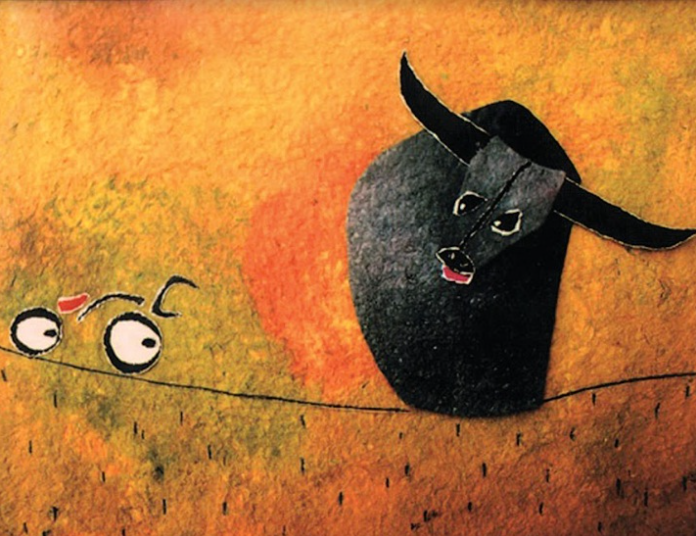
An old bicycle runs smoothly on the road when it suddenly encounters one obstacle after another. On its journey, it crosses rugged, uneven paths, steep slopes, at times its wheel flies off, and its frame nearly breaks. The bicycle finds itself racing alongside the moon, feeling helpless when facing a buffalo blocking the way. Yet, it overcomes all to continue its journey.
Thanh Cong Village
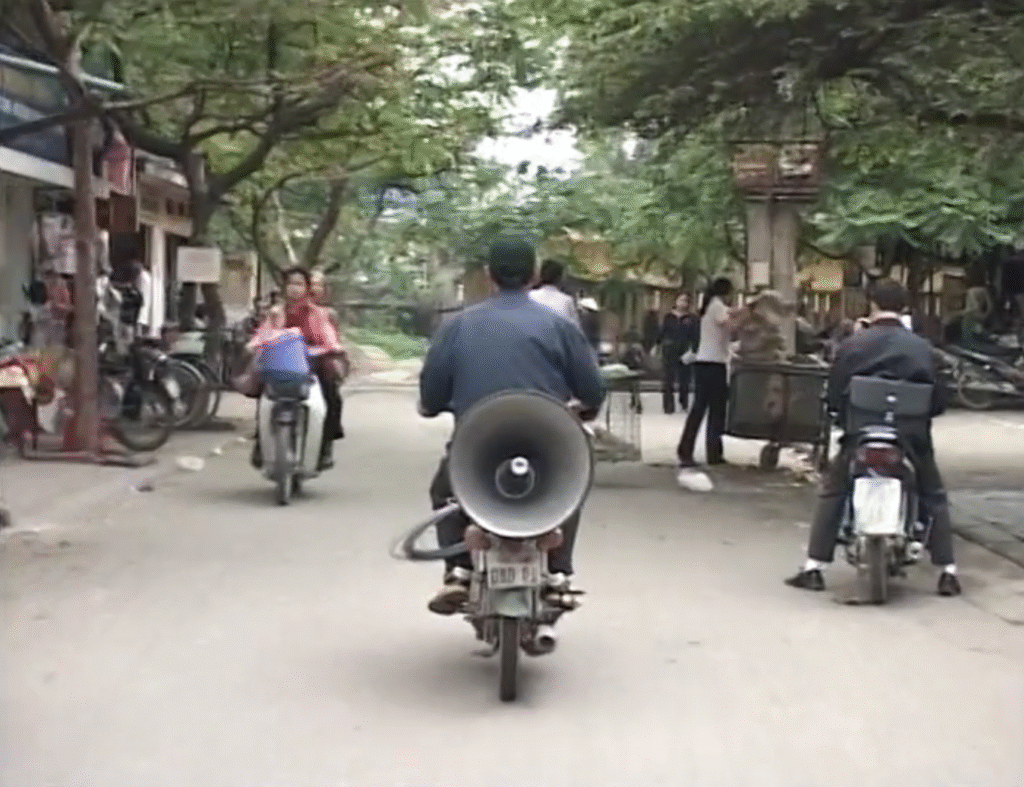
In an old district of Hanoi, formerly a village, new loud speakers must be repaired and installed. By observing everyday life, Vang Anh films with humor the animation caused by this event and plunges us into the heart of Vietnamese contradictions.
Worker’s Dream
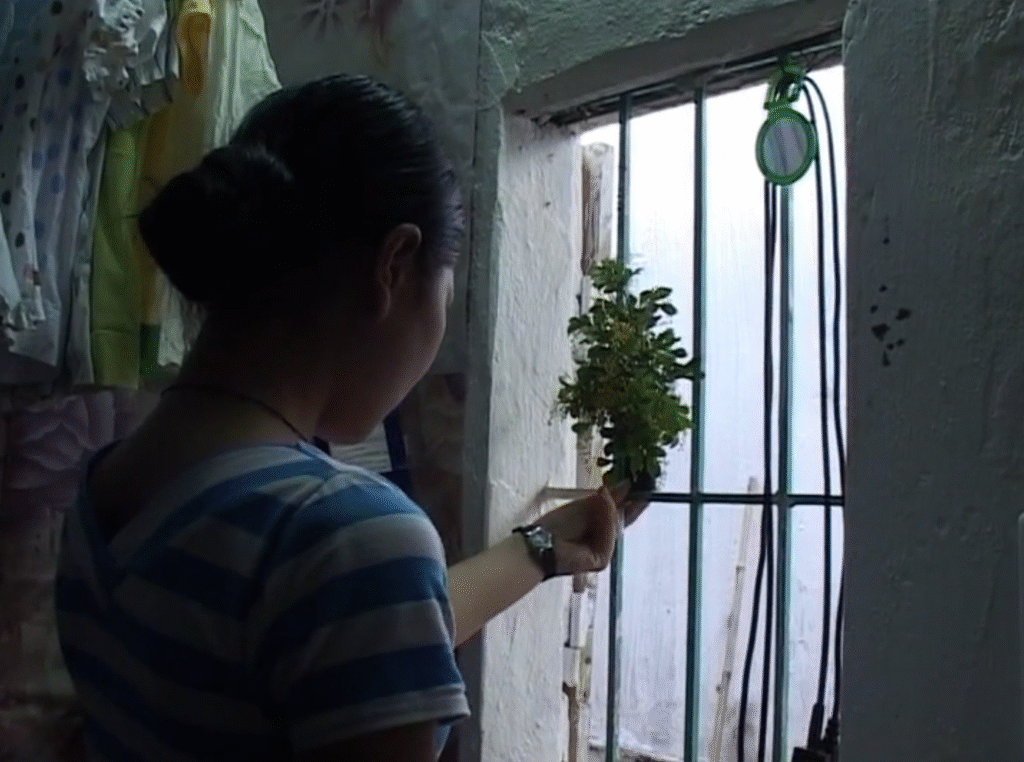
“Toan and Ngah fill in job application forms, go to interviews but fail to get work.
Dinh talks about the working conditions in the international corporations which have set up in Vietnam and voices her demands.
Thao films Toan and Ngah during these long days of waiting while they encourage and comfort each other. They talk about their hopes and disappointments, the lack of money and love.”
Flowing with the Current
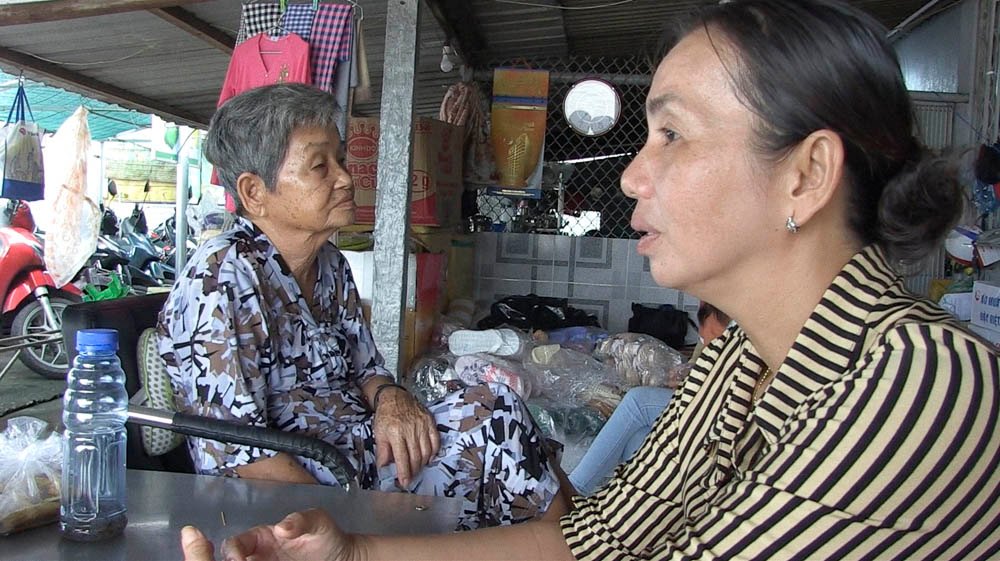
On an island in the Mekong Delta, families build a tourism initiative rooted in community and shared labour. As success arrives, so too does outside interest, and the threat of exploitation. A compelling story of collective power, rural entrepreneurship, and the struggle to hold onto autonomy in a fast-developing world.
Grandfather and Grandson
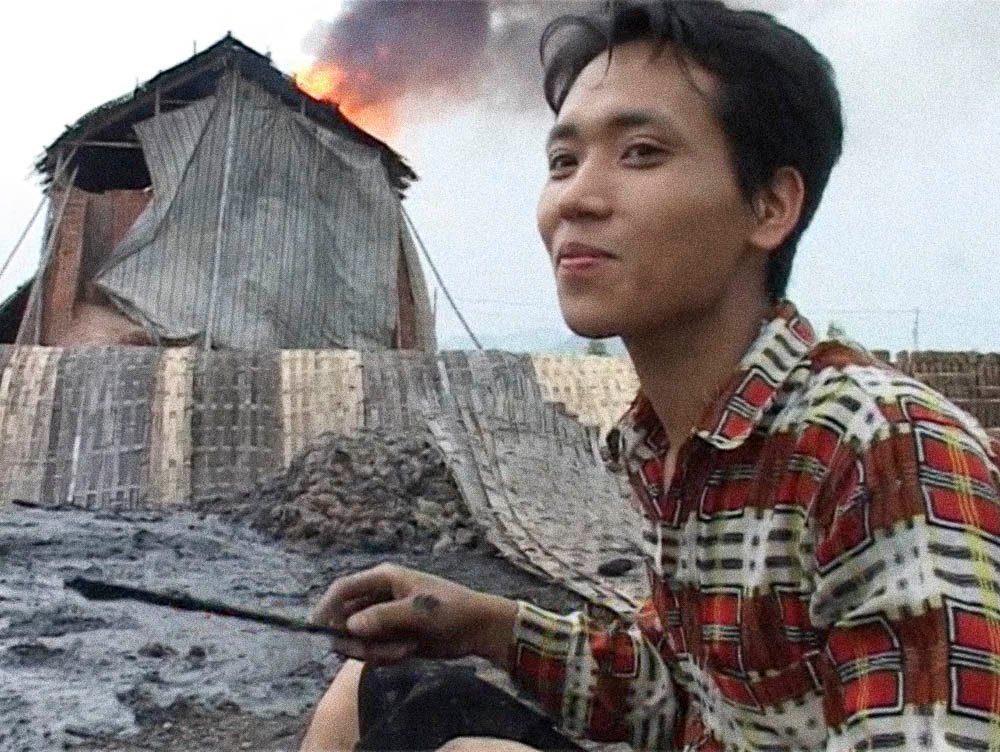
Returning to her ancestral village, director Tham Nguyen Thi captures a deeply personal portrait of tradition passed down, and quietly questioned. A young man, guided by his grandfather, contemplates his role as the eldest son, staying behind while his peers leave for the city. Between duty and desire, the film explores the slow evolution of familial roles in rural Vietnam.
Flowing Home
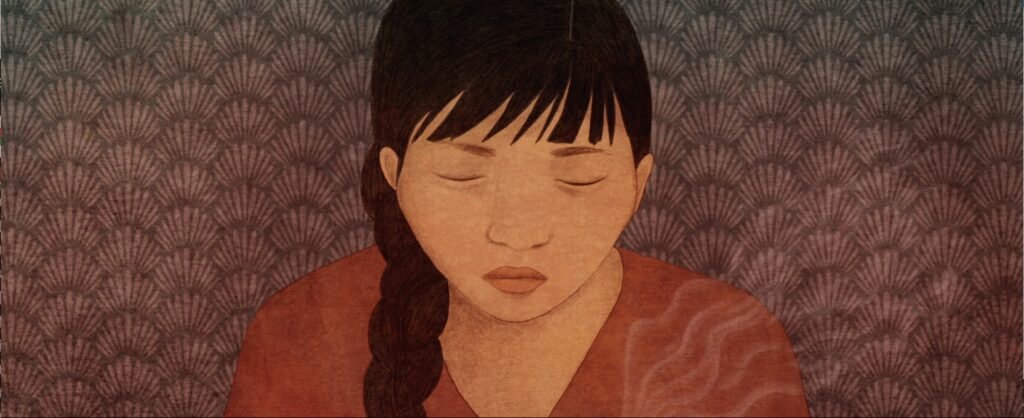
“Flowing Home” is the story of two sisters who got separated after the Vietnam war. Thao, the youngest, will flee Vietnam by boat to Malaisia. Sao Maï, the eldest, will stay in Vietnam with her parents. An epistolary relationship will feed their lives for over 15 years and narrates their journey until their reunion.
Sigh Gone
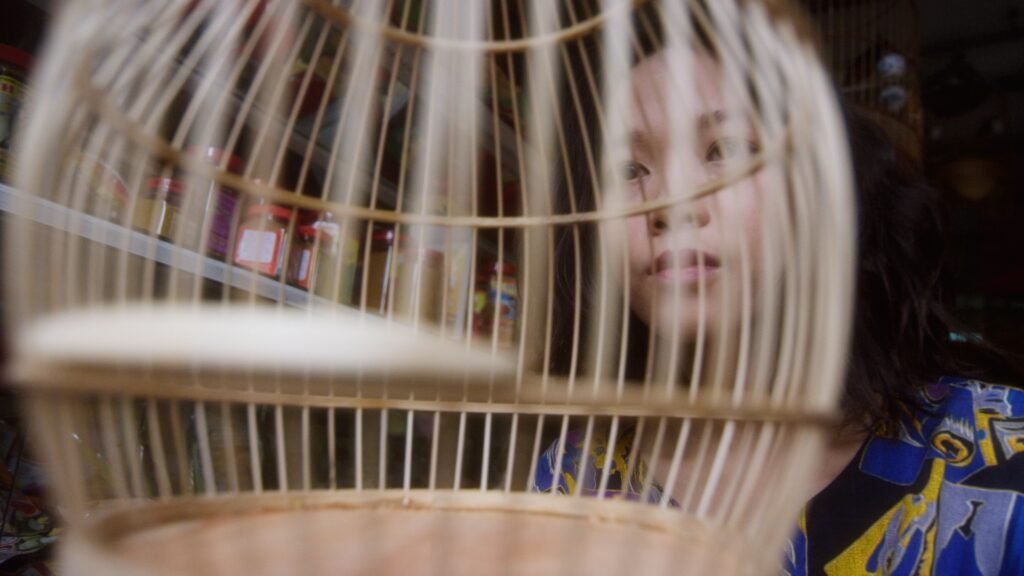
Without the guide of her “lost love”, Thuy is on the verge of death by boredom. Having no agenda, she finds odd ways to entertain herself in the bustling city of Saigon, Vietnam.
Vị Đắng Tình Yêu

Quang, a reserved yet kind-hearted medical student, finds himself captivated by Phương, a brilliant pianist whose passion for music defines her very existence. Their blossoming romance is tested when Phương discovers she has a bullet fragment lodged in her brain, one that threatens her life and forces her to choose between survival and the art she loves. As Quang and his close-knit group of friends rally around her, the film weaves a poignant tale of love, sacrifice, and the cruel reality of fate. A defining classic of Vietnam’s phim mì ăn liền era, The Bitter Taste of Love is a heartfelt blend of romance, tragedy, and humor that continues to captivate audiences today.
Xương Rồng Đen
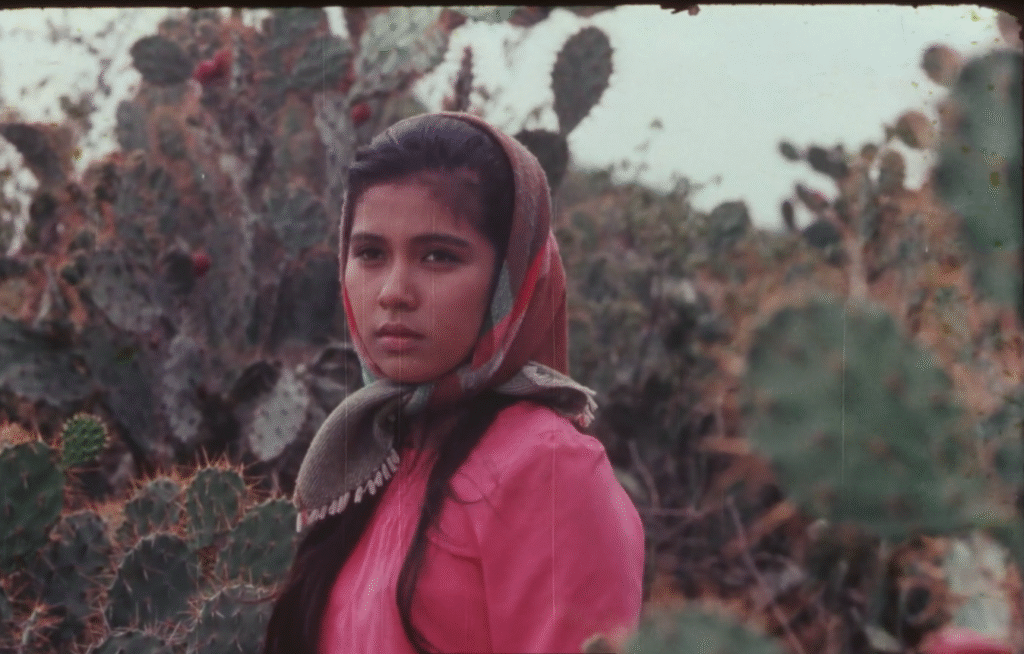
Xương Rồng Đen (Black Cactus) tells the story of a mixed-race boy, the son of a Vietnamese mother and an African American soldier during the Vietnam War. Living in rural Vietnam, he faces harsh societal rejection as an outsider, but finds love with a beautiful village girl. As their love blossoms, they are met with resistance from her family due to his mixed heritage. Undeterred, the couple builds a life together despite the challenges they face, including poverty, crop failures, and the lure of a better life in Saigon. The film explores themes of identity, racial prejudice, and the emotional cost of familial rejection, all set against the backdrop of Vietnam’s post-war landscape.
Em bé Hà Nội
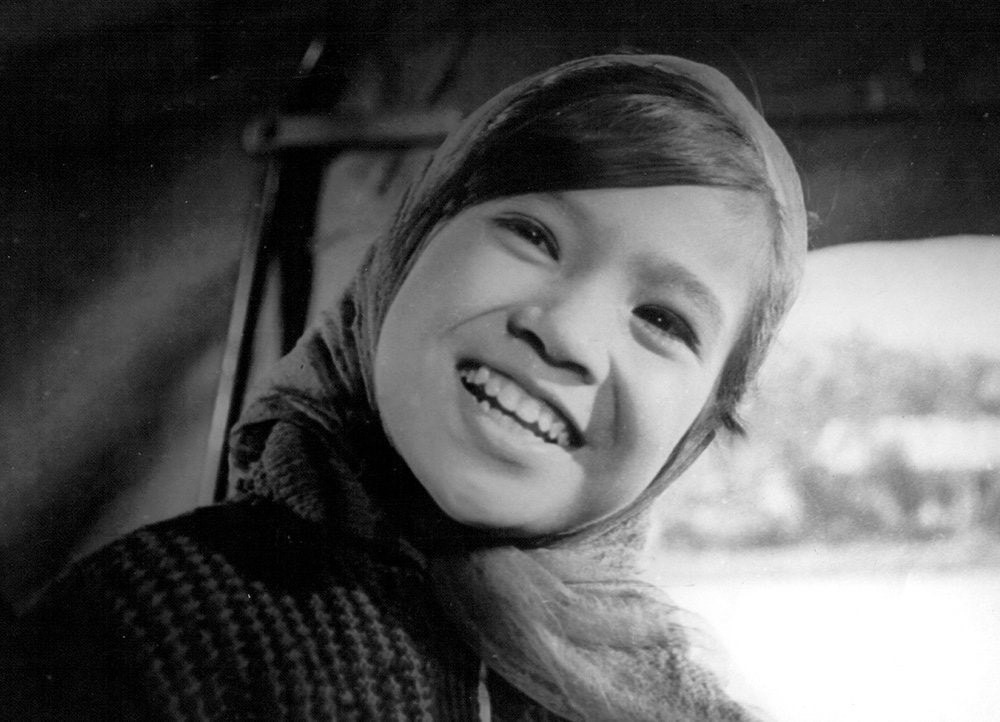
Little Girl of Hanoi (Em bé Hà Nội, 1974) is a powerful wartime drama by director Hải Ninh that follows a young girl, Ngọc Hà, as she searches for her father, a North Vietnamese soldier, after losing her mother and sister in the devastating Christmas Bombings. Shot amidst the real rubble of a bombed-out Hanoi, the film blends fiction and documentary realism to portray the human cost of war through the eyes of a child. With haunting black-and-white cinematography and emotionally charged performances, it stands as one of Vietnam’s most iconic and heartbreaking cinematic works.