Di Tim Phong

Lê Ánh Phong grew up in a small town in the centre of Vietnam, the youngest of six children. From the time they were a young biological boy, Phong felt like they were a girl with a mismatched body. Not until they moved to Hanoi to attend university at age 20 did Phong discover that they were not the only one in the world with this predicament. Their dream to ‘find themselves’ by physically changing sex becomes a reality several years later. The movie follows Phong’s struggle during these years, with excerpts from their intimate video journal, along with their encounters with family, friends and doctors, all of whom must come to terms with the their determination to become a complete girl.
Đời cát
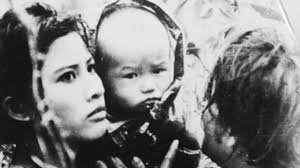
After more than 20 years away, former soldier Canh returns to his coastal hometown, only to find that time has not healed the wounds of war or the fractures in his past. Torn between his first wife, Thoa, who never stopped waiting for him, and his new life with his second wife, Tâm, Canh struggles with an impossible choice. Meanwhile, war veterans Huy and Hoa, each bearing their own scars, search for love and meaning in a world that has moved on without them. Set against the shifting sands of central Vietnam, Doi Cát is a hauntingly poetic meditation on love, loss, and the lingering echoes of war.
Chơi Vơi
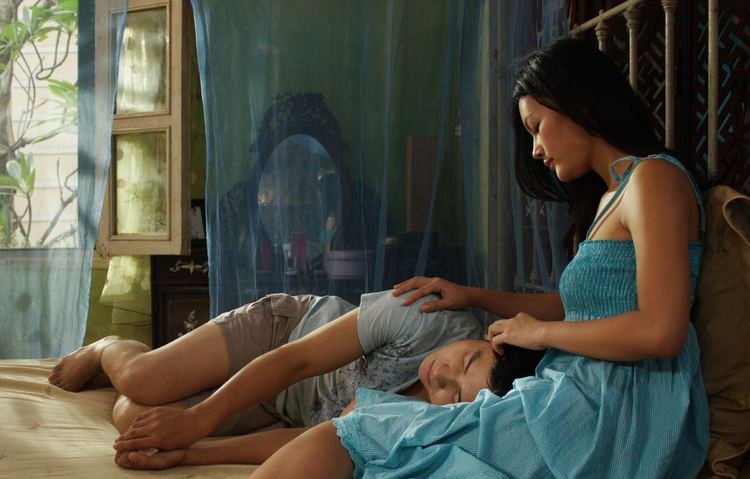
Set in modern Hanoi, Adrift begins with the wedding of Duyen (Linh-Dan Pham) and Hai (Duy Khoa Nguyen), a young couple whose marriage remains unconsummated due to Hai’s lack of interest in intimacy. Duyen, frustrated by her husband’s emotional and physical detachment, turns to her best friend Cam (Do Thi Hai Yen) for advice. Cam, secretly in love with Duyen, manipulates her into taking a job as a translator for Tho (Duy Khoa Nguyen), a charming and sexually adventurous tourist guide. As Duyen’s relationship with Tho deepens, she experiences sexual awakening and is forced to confront her desires, her marriage, and the choices she has made. Adrift explores themes of sexual repression, emotional conflict, and personal growth in a society grappling with tradition and modernity.
Gái Nhảy
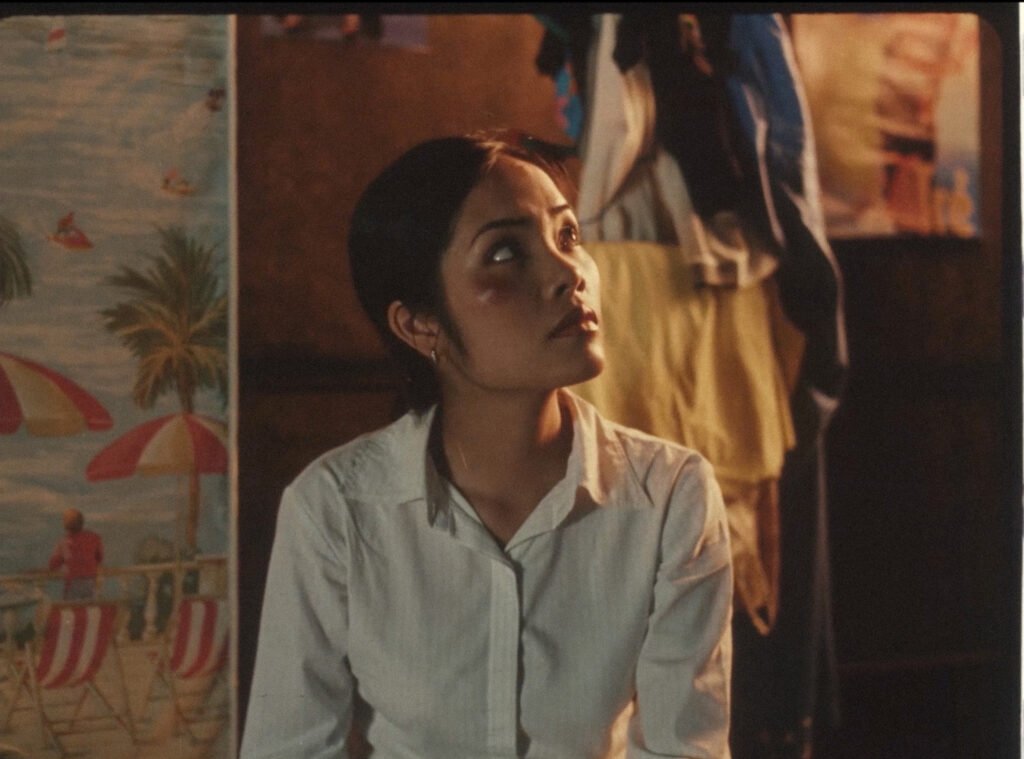
Gái Nhảy (Bar Girls) boldly explores the hidden world of Vietnam’s urban underbelly, focusing on the lives of young women who work in the disco and sex industries. A young female journalist embarks on an investigation into this world, uncovering the struggles, dreams, and painful truths behind the women who sell their bodies for survival. Among them are Hoa, a rich girl who leaves her family and becomes a dancer to escape neglect; Ngọc, a fiery spirit with a desire for love and freedom; and Hạnh, a woman marked by tragedy, yearning for a better life.
With its unflinching portrayal of sex, addiction, and emotional devastation, Gái Nhảy stands as a game-changer in Vietnamese cinema, marking a break from the country’s traditional war stories and embracing the rawness of modern, urban life. The film not only examines the choices these women face but also challenges societal norms, offering a poignant exploration of dignity, survival, and the harsh realities of life on the fringes.